Have you noticed more and more celebrities showing up to events with little round marks on their backs? These come from cupping therapy. But what is it?Cupping is a type of alternative therapy that involves placing cups on the skin to create suction. This suction is thought to improve the flow of energy in the body and facilitate healing.One of the oldest medical texts to mention cupping therapy is Eber’s papyrus (1550 B.C.) from Ancient Egypt, though cupping is a part of many ancient healing systems, including Chinese, Unani, traditional Korean, and Tibetan.Greek physician Hippocrates, often referred to as the “father” of medicine, even compiled descriptions of cupping techniques.These days, cupping therapy is usually found as a treatment offered by practitioners of Traditional Chinese Medicine.Proponents believe the suction helps facilitate the flow of “qi” in the body. Qi is a Chinese word meaning life force.Many believe that cupping helps balance yin and yang, or the negative and positive, within the body. Restoring balance between these two extremes is thought to help with the body’s resistance to pathogens as well as its ability to increase blood flow and reduce pain.Cupping increases blood circulation to the area where the cups are placed. This may relieve muscle tension, which can improve overall blood flow and promote cell repair. It may also help form new connective tissues and create new blood vessels in the tissue.People use cupping to complement their care for a host of symptoms and conditions.
There is a growing body of research digging into how and why cupping may work.A 2018 review of studies noted that cupping therapy has reported benefits for a variety of conditions that can be categorized as either localized or systematic diseases.Cupping is thought to alleviate symptoms by promoting peripheral (close to the skin) blood circulation and improving immunity.According to the 2018 review, the effects of cupping therapy include:
promoting the skin’s blood flow
changing the skin’s biomechanical properties
increasing pain thresholds
improving local anaerobic (without oxygen) metabolism
According to a 2017 study, the mechanical effect of cupping increases local blood flow and stretches underlying tissue.Activation of Heme oxygenase-1, a gene that plays a critical role in the prevention of vascular inflammation, could account for many of cupping therapy’s claimed local and systemic health benefits.A 2019 study noted that no single theory exists to explain the whole effects of cupping, but some theories include:
altering pain signal processing
using counter-irritation, or pain to reduce pain
stimulating increased blood circulation through the release of nitric oxide
stimulating the immune system with artificial local inflammation
increasing the level of immune products, such as interferon and tumor necrotizing factor
increasing the flow of lymph in the lymphatic system
changing the molecular structure and function of hemoglobin (Hb)
Despite multiple theories, more quality research is needed to confirm the effects of cupping as well as the mechanisms by which they may or may not support healing.
According to the research mentioned above, cupping may remove toxins by stimulating the immune response, both locally and systemically.It may also eliminate uric acid, a natural waste product from the digestion of certain foods. Uric acid buildup can lead to high levels of acidity in the blood and urine.Cupping may also have a positive effect on the lymphatic system, which is partially responsible for eliminating your body’s waste.When the flow of lymph is interrupted, it can cause fluid buildup and prevent the body from properly eliminating toxins. Lymphatic drainage massage is one solution to this issue. Similarly, cupping may help increase the flow of lymph and prevent fluid buildup.The evidence for cupping’s ability to remove toxins is promising, but more research is needed to confirm it.
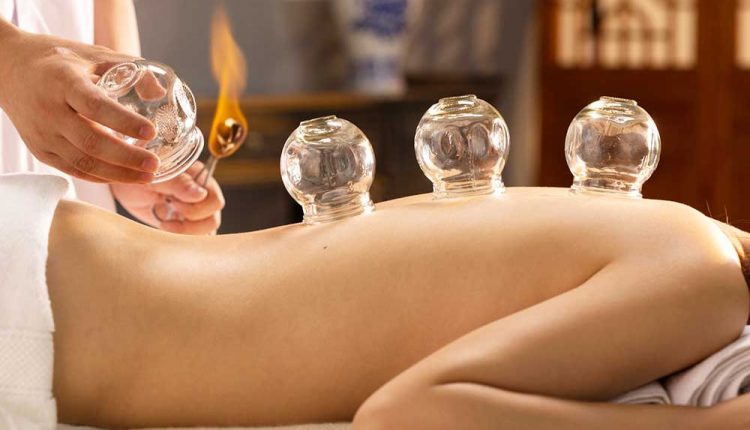
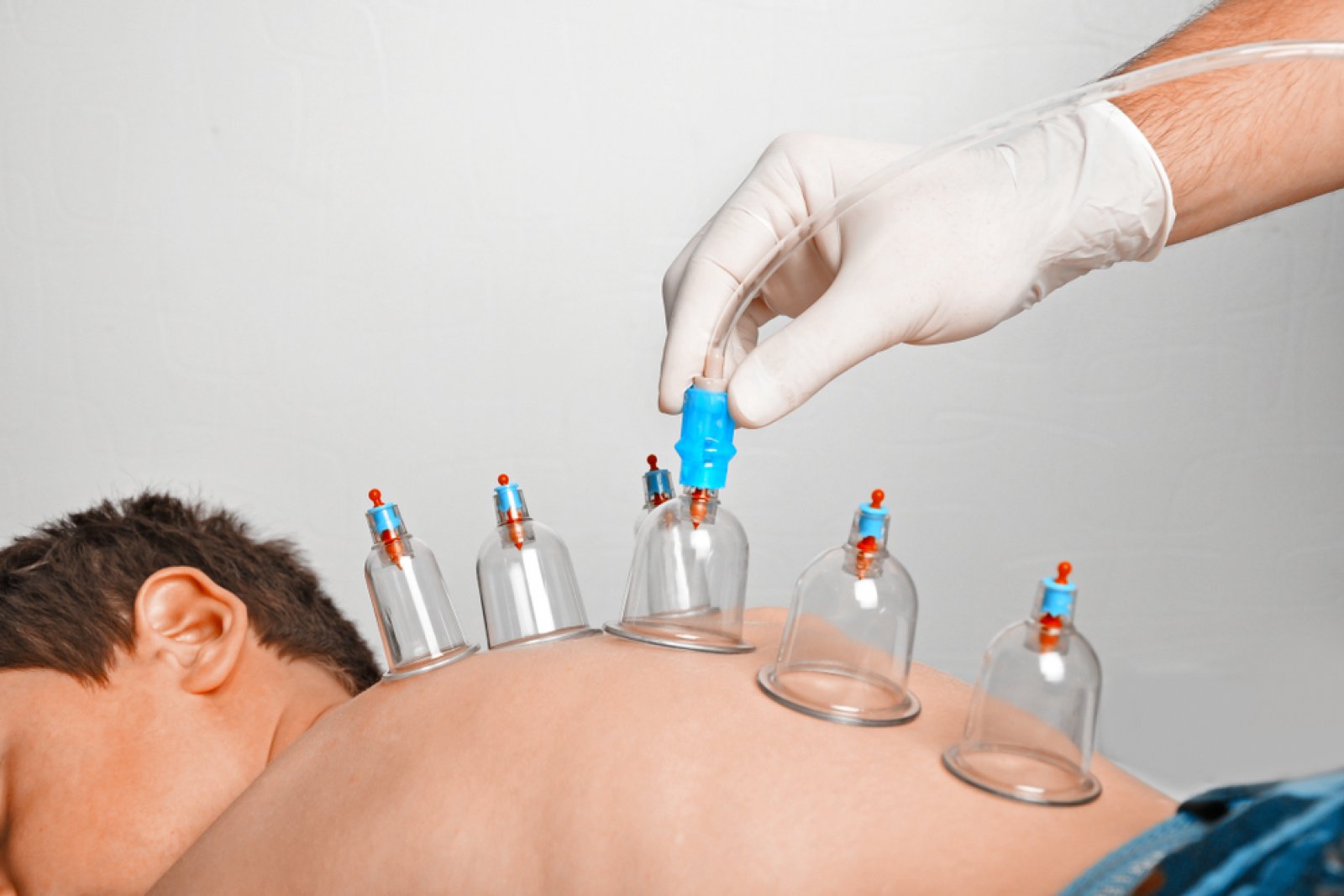
Cupping was likely first performed using animal horns. Later, cups were made from bamboo and then ceramic.Suction was primarily created through the use of heat. Cups were originally heated with fire and then applied to the skin. As they cooled, the cups drew the skin inside.Modern cupping is often performed using bell-shaped glass cups. They may also be made of plastic or silicone.There are four main categories of cupping performed today:
Dry cupping: a suction-only method
Wet/bleeding cupping: may involve both suction and controlled medicinal bleeding
Running cupping: involves moving suctioned cups around the body after applying oil to massage the desired area
Flash cupping: involves quick, repeated suction and release of cups on an area of the body